English
 русский
 Español
 عربى
عربى
Don't hesitate to send a message


en/RU/es/sa

en/RU/es/sa
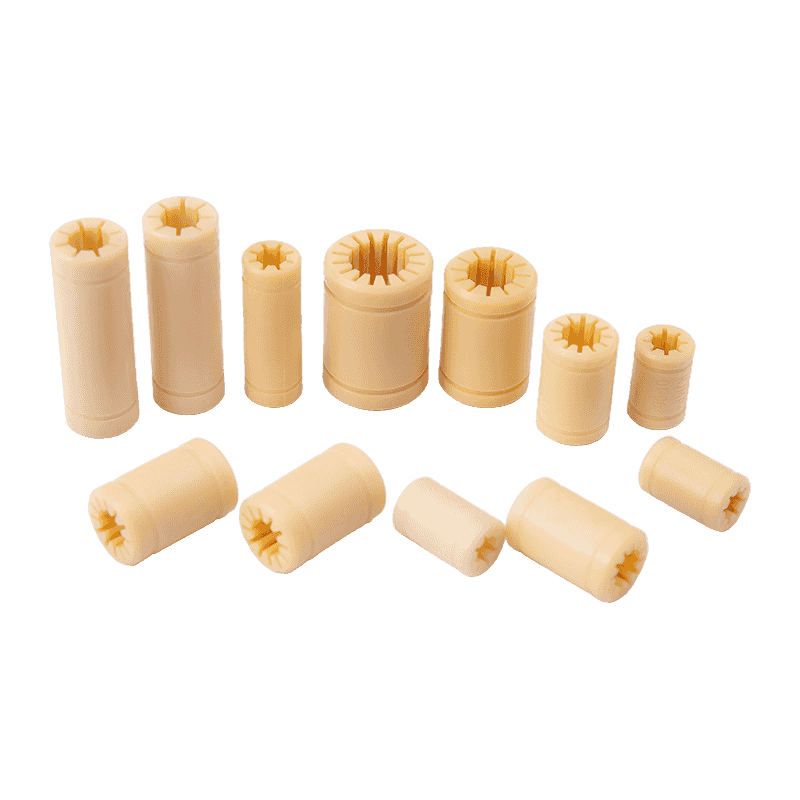
Engineered for high-precision assemblies, the HZ-LIN Precision Bearing features ultra-low ...
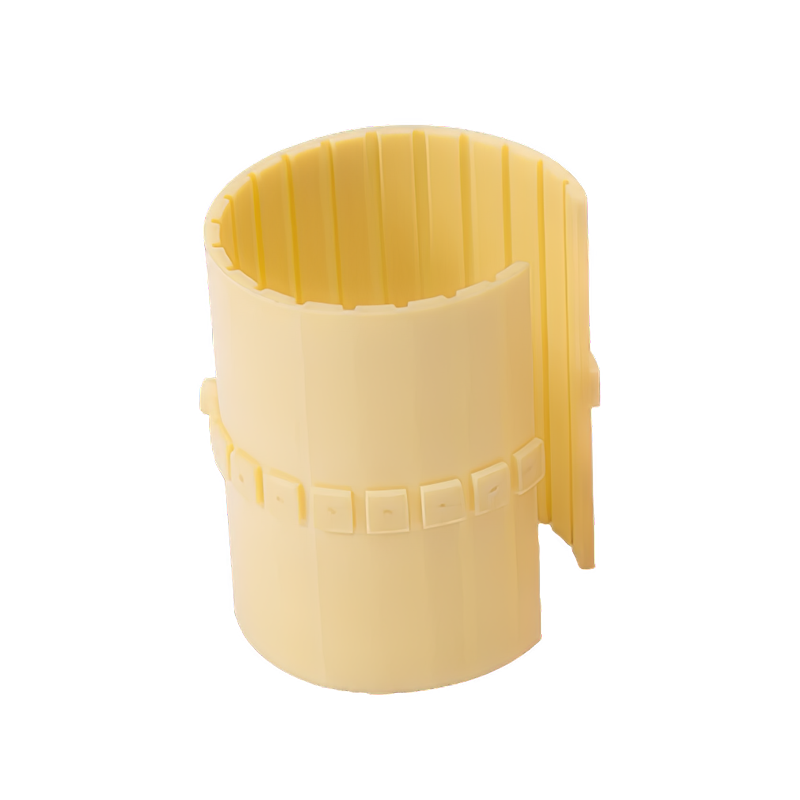
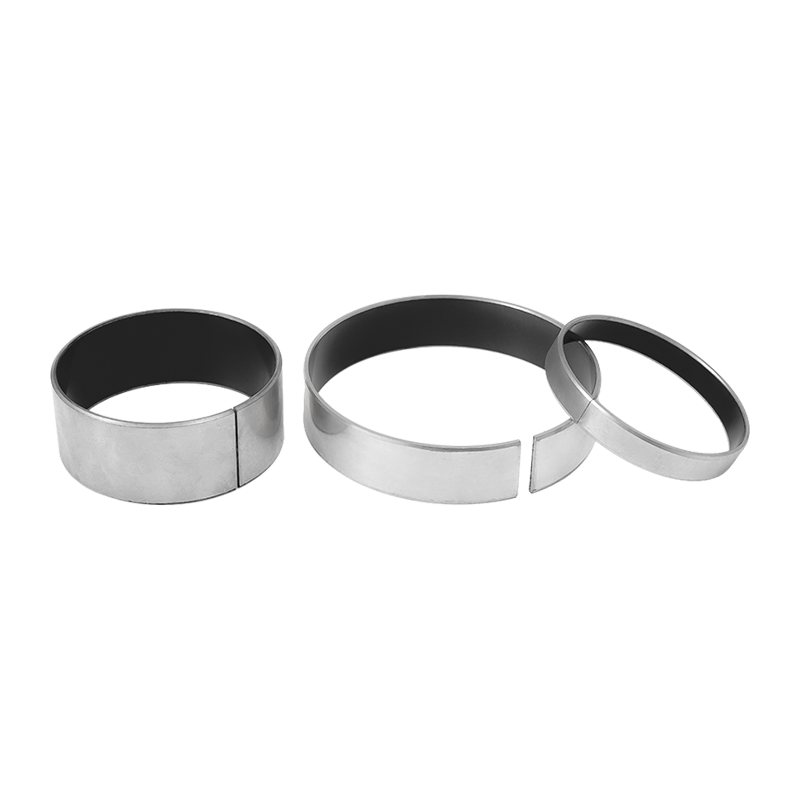
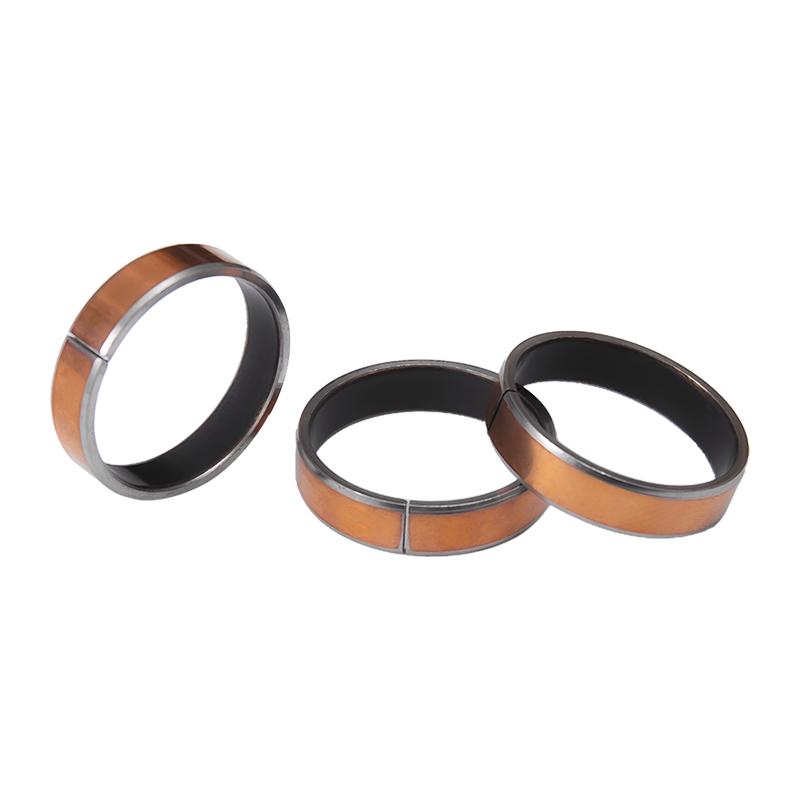
The HZ-LIN Engineering Plastic Bearing Sliding Film is crafted from advanced fiber-reinfor...
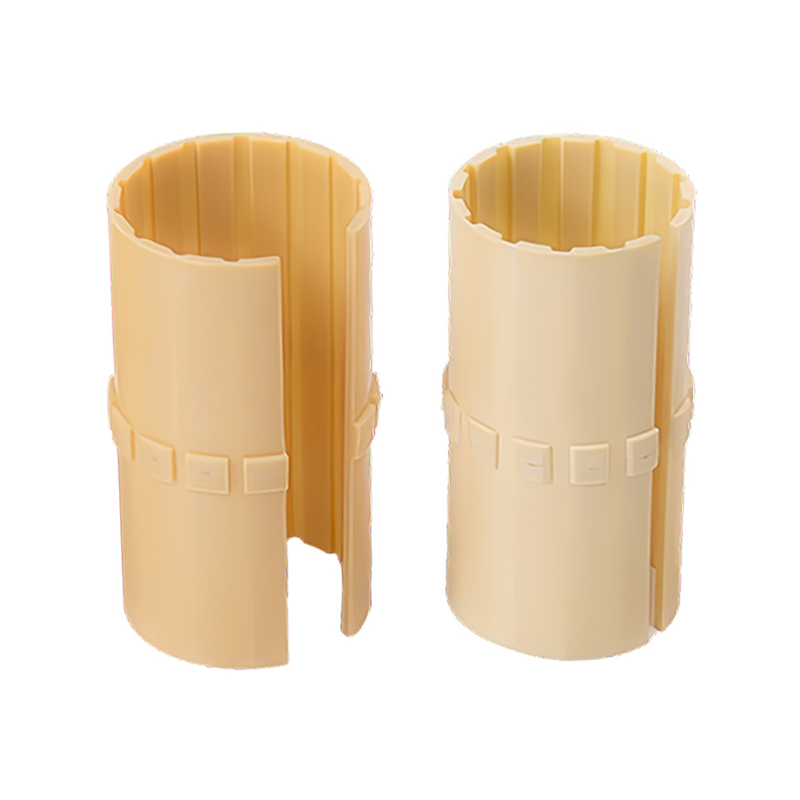
The HZ-LIN Engineering Plastic Bearing Sliding Film is crafted from advanced fiber-reinfor...
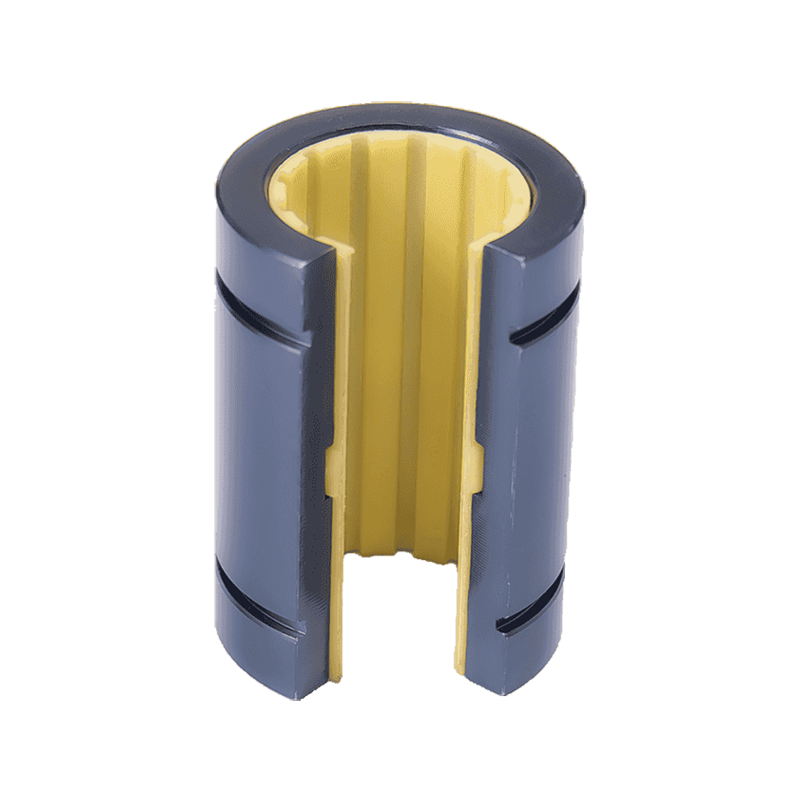
The HZ-LIN Engineering Plastic Linear Sliding Bearing is engineered to deliver smooth, low...
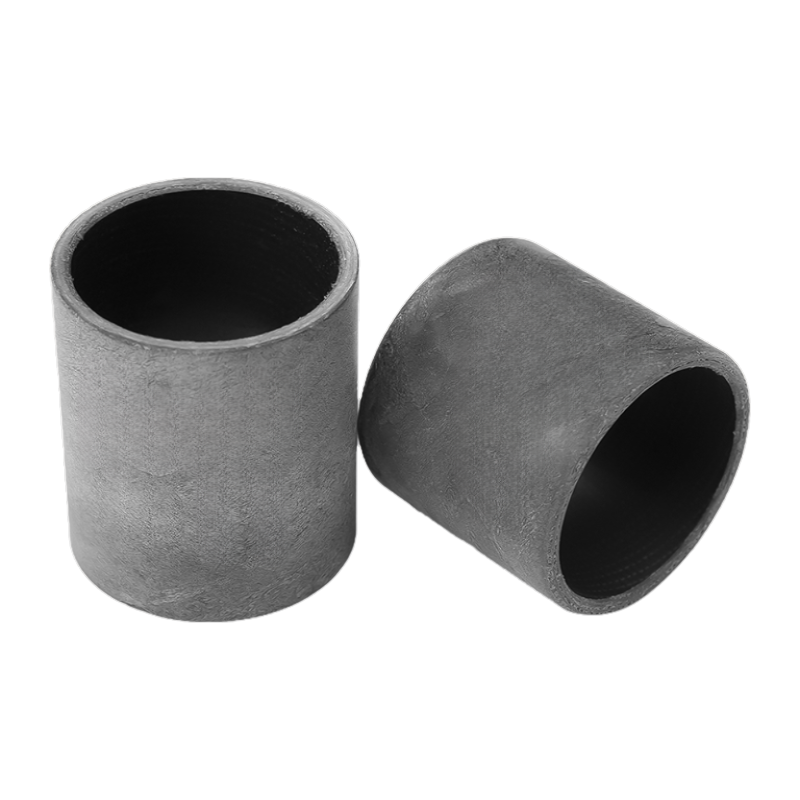
The most popular G material in the world. The G series bearings can meet various different...
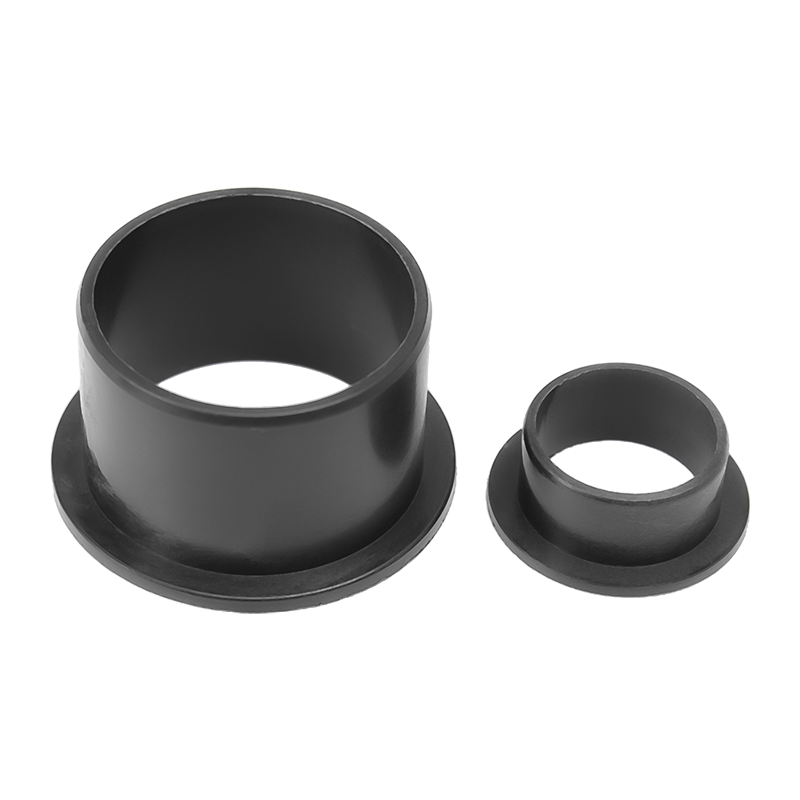
The HZ-GFM Flanged Bearing combines radial load capacity with axial alignment control, tha...
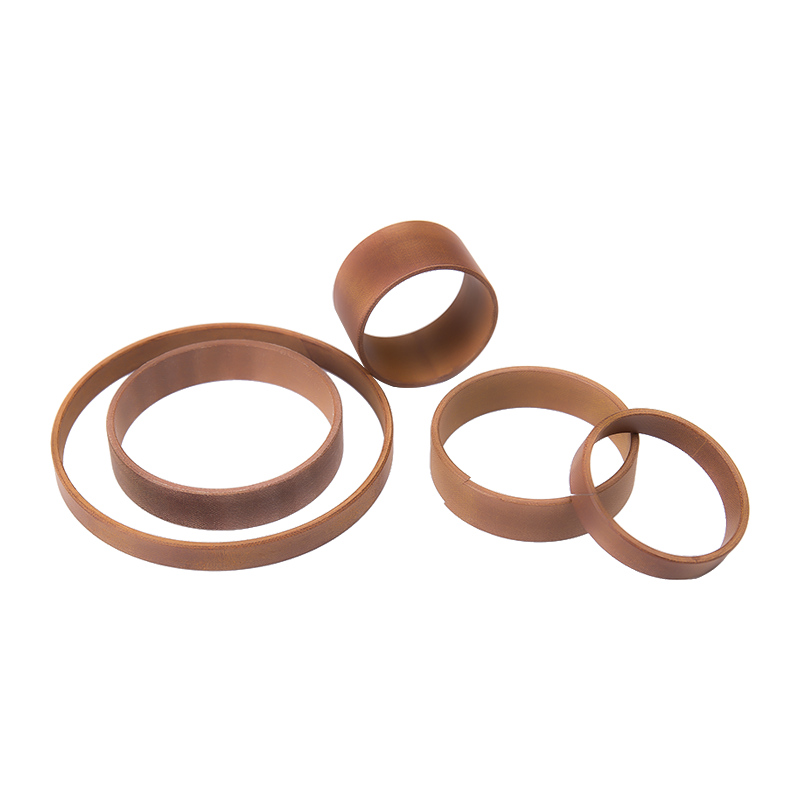
Material Introduction PFC-1 material is a high-strength load-bearing material that uses th...
HZ-EP engineering plastic bearings are self-lubricating components crafted from thermoplastic materials through injection molding. This manufacturing process allows for the creation of complex geometries and customized designs, making them suitable for a wide range of applications.
These bearings offer excellent wear resistance and low friction performance in both dry and lubricated conditions. They are particularly effective in humid or saline environments due to their corrosion resistance, thereby extending their service life. Additionally, HZ-EP bearings are lightweight, cost-effective, and contribute to noise reduction, all while simplifying assembly processes. Their compact, one-piece design aids in reducing overall size and weight.
Common applications for HZ-EP engineering plastic bearings include automotive components, industrial machinery, medical devices, and various other sectors where durability and performance are essential. Their versatility and robust properties make them an ideal choice for numerous engineering applications.
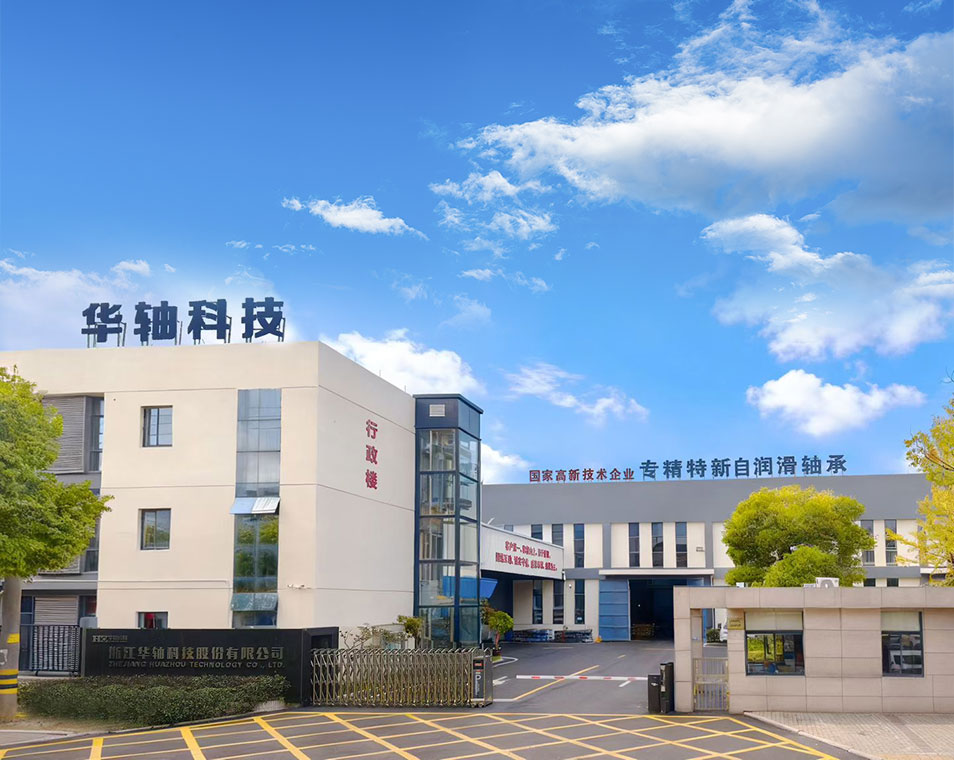

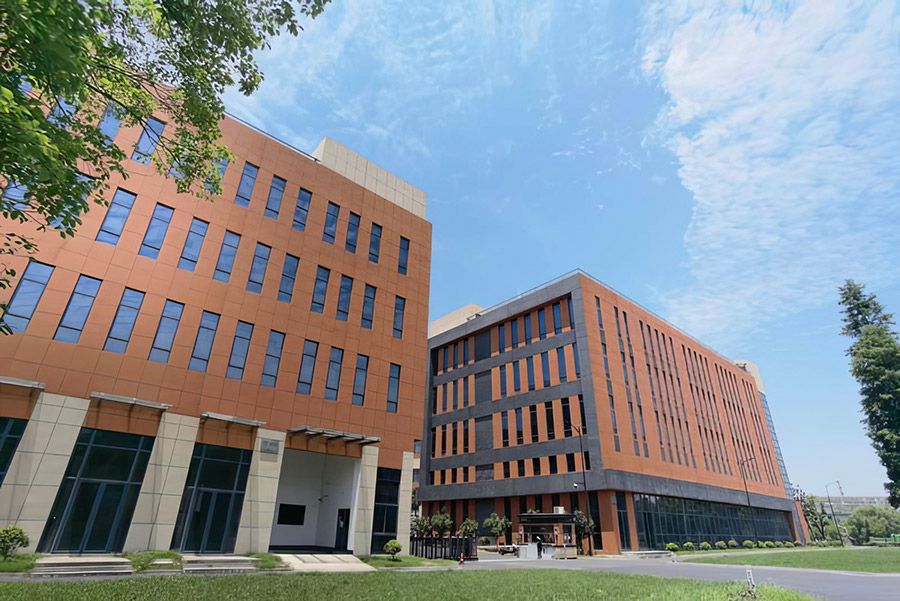
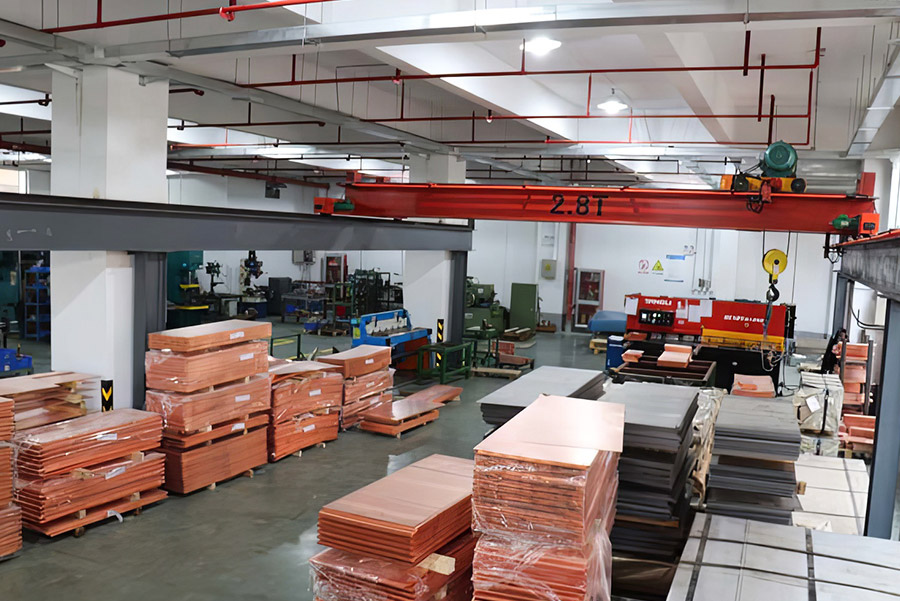
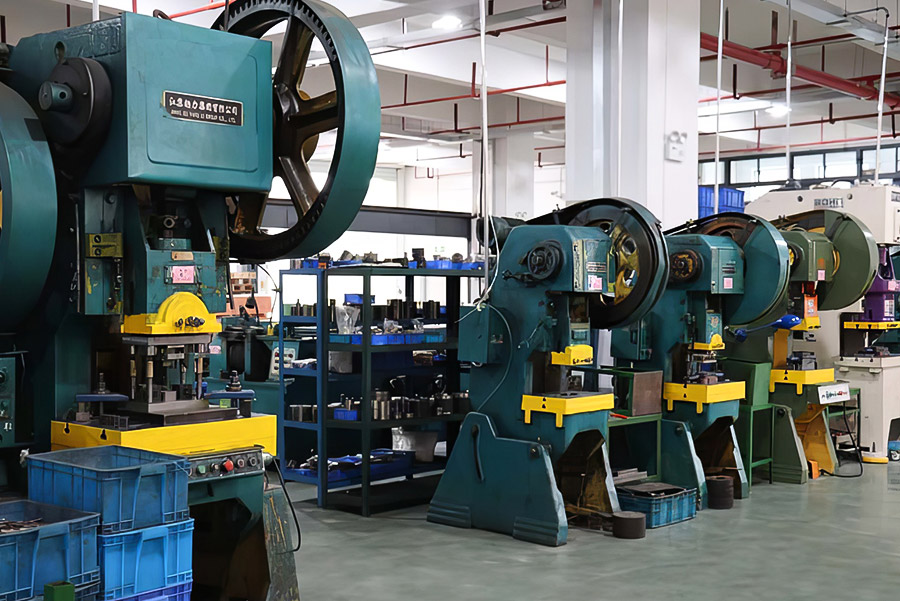
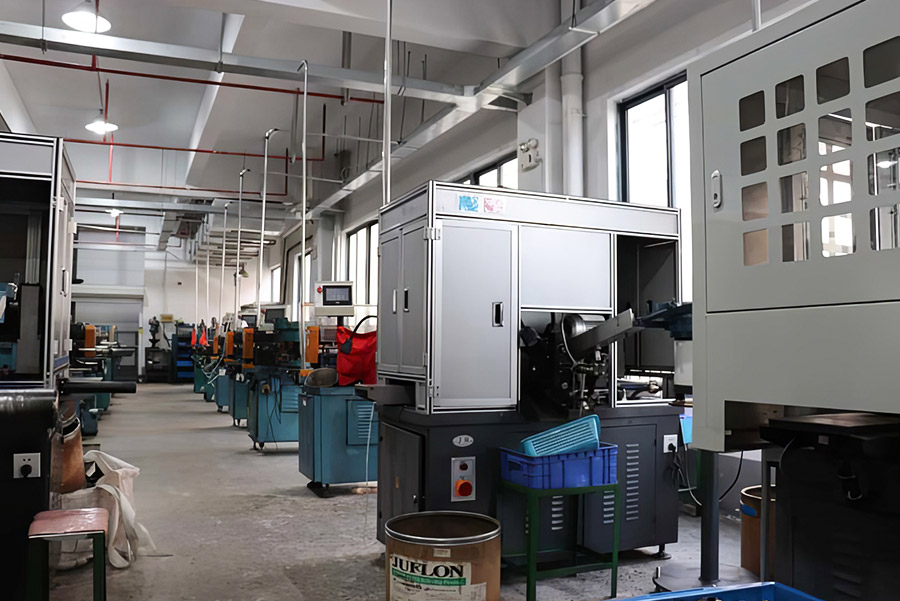
Zhejiang Huazhou Technology Co., Ltd. is a China HZ-EP Engineering plastic bearing manufacturer producing self-lubricating thermoplastic and fibre-reinforced sliding elements. The range covers precision bushes, sliding films, sealed films, linear sliding bearings, flanged bearings and cloth-reinforced phenolic bearings, supplied to automotive, packaging, medical, agricultural and general machinery projects.
We injection-mould and machine these components in Nanxun, Huzhou, combining polymer formulation, mould tooling and batch production under one roof. Every configuration starts from the working point: load, speed, shaft material, temperature, media and the assembly method used on your line.
HZ-EP bearings are plain sliding elements formed from engineering thermoplastics by injection moulding, with fibre reinforcement and solid lubricant fillers where the duty demands it. Because the geometry comes from a mould rather than a machining cycle, we can produce ribs, flanges, oil or grease pockets, snap features and non-circular bores that would be costly in bronze or steel.
The material matrix carries the lubricant, so the bearing runs dry or with only boundary lubrication. Friction stays low in both dry and lubricated conditions, and the polymer tolerates humid, saline and mildly chemical environments where a metal bush would corrode. The low density also reduces rotating mass and transmitted noise.
The HZ-EP family is organised by motion type and mounting style, so a project can be matched to the closest standard geometry before any tooling is discussed.
| Product | Motion / Mounting | Typical Application Fit |
|---|---|---|
| HZ-LIN Precision engineering plastic bearing | Radial bush, press-fit into H7 housing | Oscillating and micro-motion assemblies with minimal backlash |
| HZ-LIN Engineering plastic bearing sliding film | Thin-wall wrapped film | Conveyors, packaging machinery, agricultural pivots, low-speed joints |
| HZ-LIN Sealed engineering plastic bearing sliding film | Thin-wall film with sealing geometry | Dusty or contaminated positions needing ingress protection |
| HZ-LIN Engineering plastic linear sliding bearing | Linear sliding | Guide and stroke motions requiring smooth, low-noise travel |
| HZ-GSM Engineering plastic sliding bearing | General-purpose radial bush | Broad machinery duty where a standard G-series material is sufficient |
| HZ-GFM Engineering plastic flange bearing | Flanged bush | Radial load plus axial location in one part |
| HZ-RFC High strength cloth-reinforced phenolic bearing | Cloth-reinforced phenolic | Higher load positions needing a reinforced composite structure |
Standard HZ-LIN film and precision grades use a high-strength engineering plastic matrix such as POM or PA66, reinforced with fibres and loaded with solid lubricants including PTFE and graphite. The lubricant is released progressively under motion, which keeps the friction coefficient in the region of 0.05–0.15 across roughly −40 °C to 120 °C and supports dynamic PV values up to about 1.5 MPa·m/s.
Because the polymer is chemically inert and non-porous, it resists oxidation, dilute acids and saline exposure, and does not support microbial growth — relevant for food-adjacent and medical assemblies. Hard contaminants embed into the surface instead of scoring the shaft.
Thermoplastics behave differently from bronze under speed. Heat generated at the sliding interface must leave through the shaft and housing, so the allowable PV falls as continuous speed rises and as ambient temperature approaches the material limit. We size the bearing so the product of contact pressure and sliding velocity stays inside the material envelope at the actual duty cycle, not at a nominal peak.
Dimensional stability under heat is a genuine advantage: the polymer does not expand like metal, so clearance stays predictable and seizure risk from thermal growth is reduced. The structure also damps harmonic vibration, which lowers noise and resonance in precision machinery.
Within the HZ-EP family we adjust material grade, wall thickness, bore tolerance band, flange form, lubrication pockets, sealing lips and end chamfers to suit the assembly. Typical configuration decisions include:
Where a standard catalogue size does not fit, we review a drawing and confirm whether an existing mould can be adapted or a new tool is required. Mould tooling is held in-house, which shortens the path from drawing to first article.
HZ-EP bearings are designed for straightforward press-fit assembly with minimal pressure, which reduces the risk of bore distortion on the line. Precision grades are compatible with H7 housings; the sliding film grades are supplied with base-hole assembly drawings so the housing bore, groove width and retention features can be machined to match.
For automated assembly we can define lead-in chamfers, retention shoulders and orientation features, and supply the dimensional report needed to set press force and stroke. Shaft finish matters as much as the bearing: a ground, hardened shaft in the Ra 0.2–0.8 µm range gives the most stable friction behaviour, while very rough shafts accelerate wear.
Production runs on more than 280 sets of special equipment with 50 automatic production lines, supported by in-house moulds and a technical team of over 150 people. Dimensional inspection covers bore diameter, outside diameter, wall thickness, flange geometry and length against the agreed drawing.
Acceptance criteria are fixed in the drawing and inspection plan before production, so both sides measure the same characteristics the same way.
To move from an enquiry to a firm configuration and quotation, we work from the operating data below. Where a value is not yet fixed, we can propose a starting point and confirm it against the application.
| Input | Why We Need It |
|---|---|
| Shaft diameter, tolerance and surface finish | Sets the bore tolerance band and clearance |
| Housing bore and mounting style | Determines press fit, flange or film retention |
| Radial and axial load, static and dynamic | Selects material grade and wall thickness |
| Speed, duty cycle and motion type | Confirms PV limit and lubrication regime |
| Ambient and operating temperature | Checks thermal margin and clearance stability |
| Media, washdown and contamination | Drives corrosion resistance and sealing choice |
| Annual volume and packaging requirement | Sets production method, tooling and delivery scope |
Self-lubricating HZ-EP bearings remove the grease line, the re-lubrication interval and the associated downtime. In service, wear is progressive and predictable; replacement is a press-out and press-in operation using the same housing bore. We retain mould records so repeat orders reproduce the original geometry, and we can supply replacement batches against the original drawing reference.
For high-volume programmes we recommend holding a defined spare quantity at the customer's site rather than relying on emergency shipments, and we can package parts in line-ready kits or bulk containers to suit the receiving process.
Each order is accompanied by the documentation agreed at the quotation stage: dimensional reports, material declarations and certification copies where the programme requires them. Packaging is specified per part — bulk bags, layer trays or individual protection for precision bores — so that parts arrive without surface damage.
Delivery scope is confirmed in writing before production, covering quantity, packaging, marking and the inspection documents included. Samples are produced in three days for standard configurations, which allows a fit and function check before committing to a full batch.
Yes. The solid lubricant in the polymer matrix provides the sliding interface, so no external grease or oil is required. Dry running is the normal condition for the film and precision grades; where a grease groove or oil hole is present, it is there to extend life under higher PV duty, not as a mandatory requirement.
A ground shaft in the Ra 0.2–0.8 µm range gives the most stable friction and wear behaviour. Shaft tolerance must be read together with the bore tolerance band in the catalogue table, because the running clearance is the difference between them. We confirm the pair against the drawing before release.
The precision bush is a moulded or machined component with a tight bore tolerance and a thick wall, suited to press-fit installation in an H7 housing and to oscillating or micro-motion duty. The sliding film is a thin-wall wrapped element for larger housing bores and lower-cost assemblies, and is available in plain and sealed versions.
Yes. With in-house mould tooling and a technical team of more than 150 people, we adapt existing moulds or develop new ones for non-circular bores, flanges, retention features and sealing lips. Send the drawing with the operating data and we will confirm feasibility and the tooling route.
Samples for standard configurations are produced in three days. Production timing depends on whether existing tooling can be used or a new mould is required, and is confirmed in the quotation once the drawing and annual volume are fixed.
Documentation is agreed per programme and can include dimensional inspection reports, material declarations and certification copies. The exact set is listed in the order confirmation so that receiving inspection knows what to expect.
Copyright © Zhejiang Huazhou Technology Co., Ltd. All Rights Reserved. HZ-EP Engineering plastic bearing Manufacturers