English
 русский
 Español
 عربى
عربى
Don't hesitate to send a message


en/RU/es/sa

en/RU/es/sa
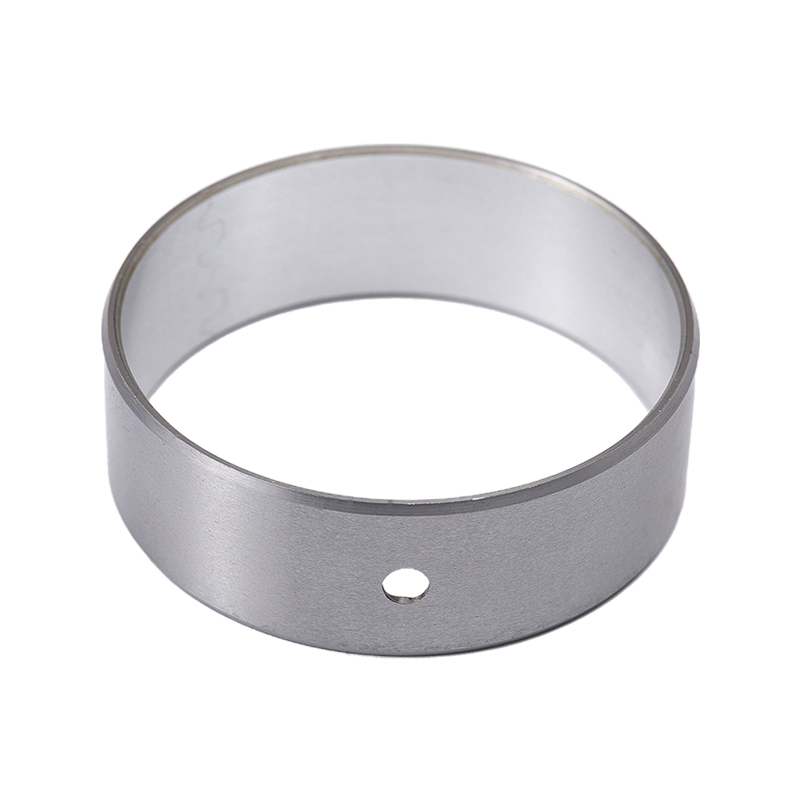
The HZ20 High-Tin Aluminum Porous Sintered Copper Bearing is designed to deliver reliable ...
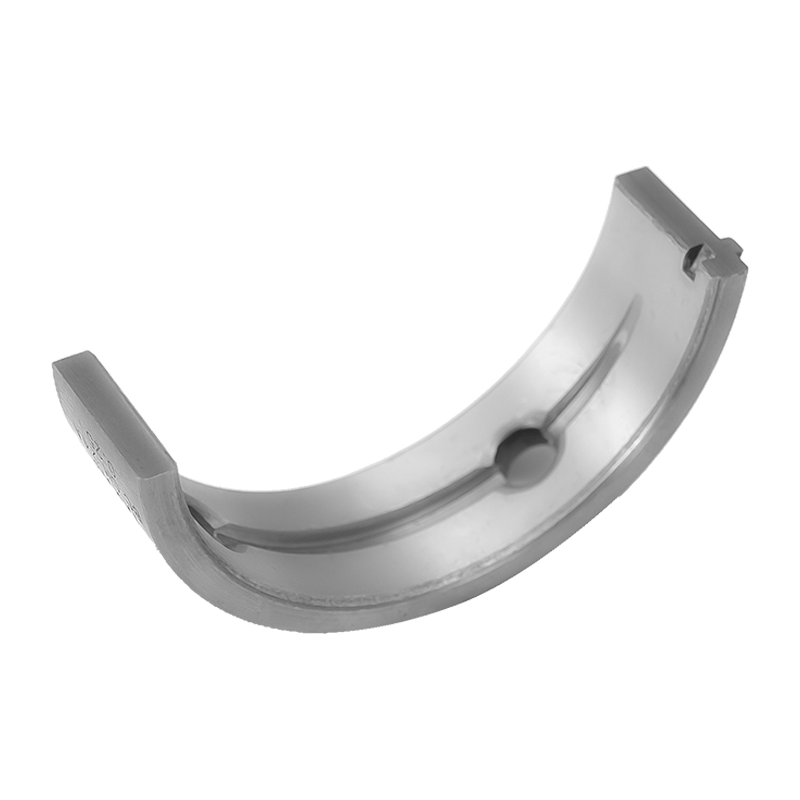
Application Characteristics This type of material has good oil corrosion resistance, moder...
The HZ-20 series high-tin aluminum bearings are engineered to provide superior wear resistance, high load capacity, and excellent anti-friction properties. These bearings are made with a high tin content, ensuring outstanding performance in demanding environments such as high-speed and heavy-load machinery.
The HZ-20 series bearings are ideal for applications requiring durability and longevity, including industrial equipment, automotive engines, and marine machinery. With their excellent thermal conductivity and corrosion resistance, they offer reliable and efficient operation, reducing maintenance needs and extending service life in harsh conditions.
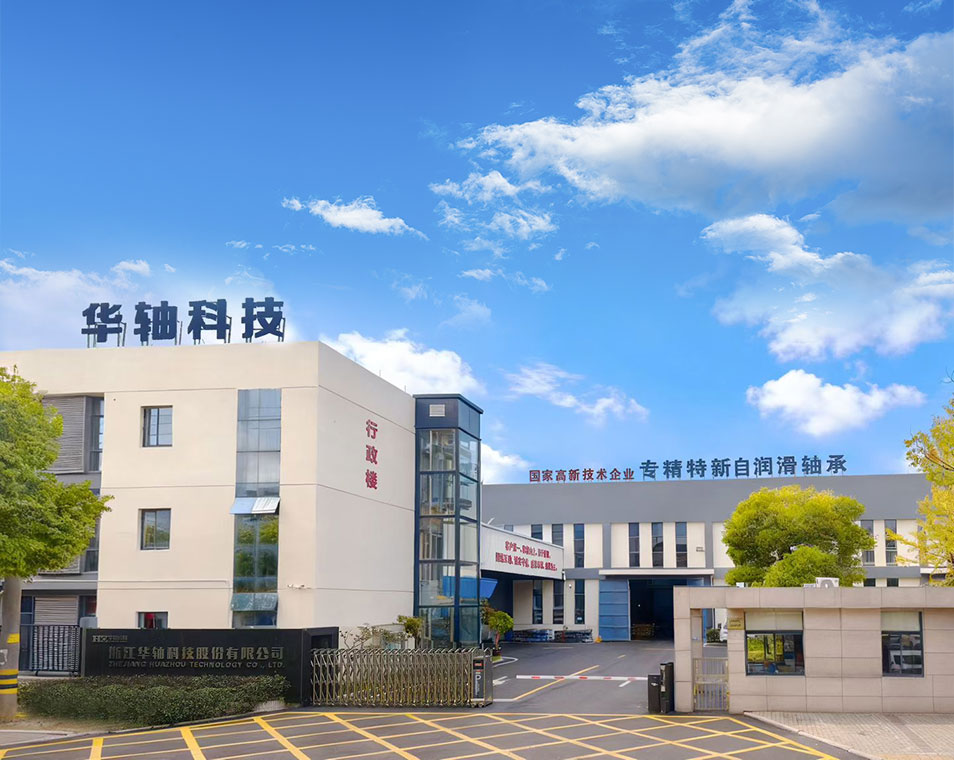

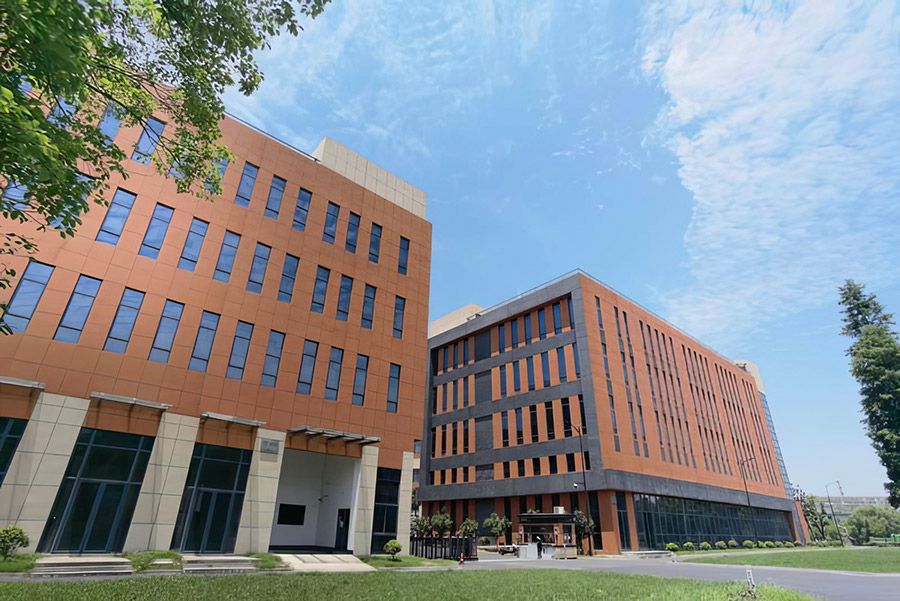
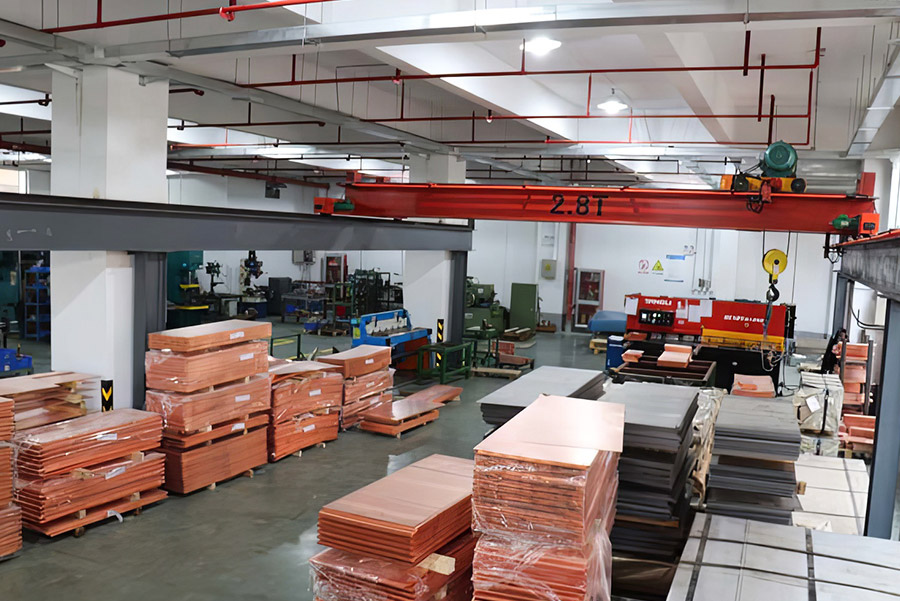
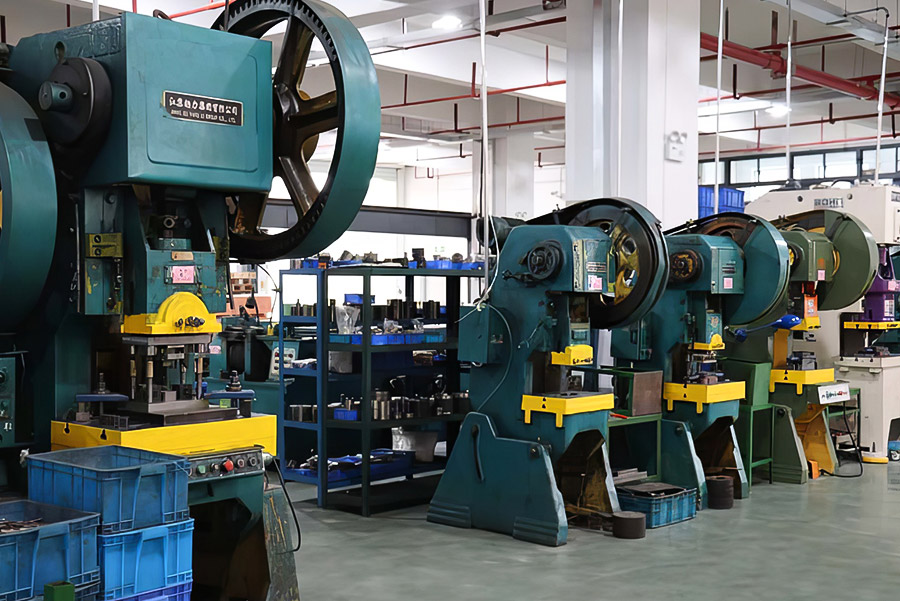
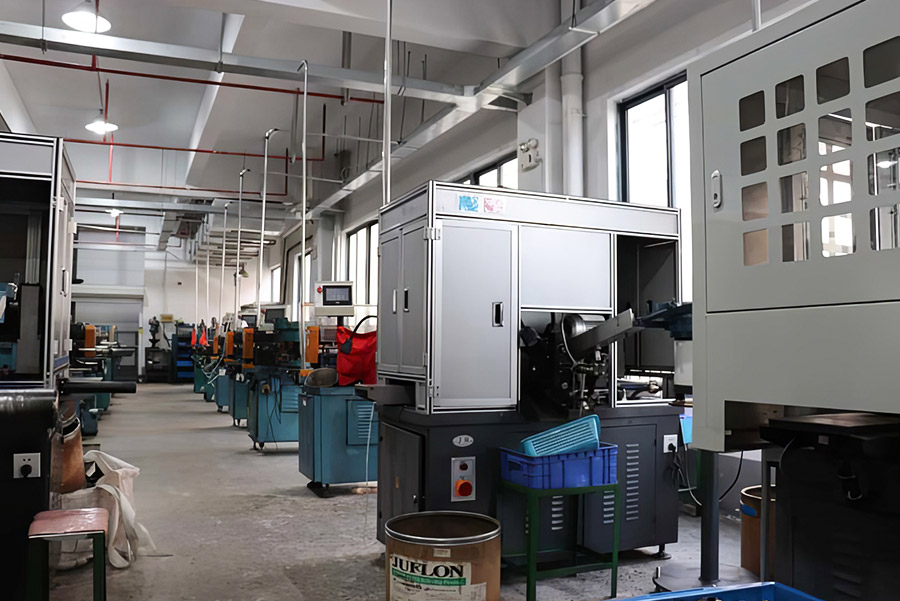
Zhejiang Huazhou Technology Co., Ltd. is a China-based manufacturer of self-lubricating and composite plain bearings. Our HZ-20 high tin aluminum bearing range covers bimetal composite bushes and porous sintered copper bearings built on a high-tin aluminum alloy working layer for medium and low-load engines, compressors, gear pumps and general heavy machinery.
HZ-20 is a bimetal composite bearing family. A high-tin aluminum alloy layer (AlSn20Cu1, typically 0.2–0.5 mm) is bonded to a low-carbon steel backing, and in the porous sintered variant an intermediate sintered copper layer improves oil distribution and heat dissipation. The steel backing carries the mechanical and thermal load; the aluminum-tin layer provides conformability, embeddability, anti-seizure behaviour and corrosion resistance against lubricating oils.
Because the working layer does not require electroplated anti-friction alloys, the bearing can be used directly in flexible-shaft and reworked-bore applications. The outer diameter is precision-machined for a defined press fit, and the inner bore can be re-machined after installation to match the shaft clearance required by the assembly.
Two supplied variants cover the majority of HZ-20 enquiries. Selection depends on load level, lubrication strategy and whether the bore will be reworked after pressing.
| Variant | Structure | Typical Fit | Load / Temp |
|---|---|---|---|
| HZ20 High-tin aluminum porous sintered copper bearing | AlSn20Cu1 layer + porous sintered copper + low-carbon steel backing | Medium-to-low load engines, mechanical systems needing oil retention | Up to 50 MPa; oil-lubricated service |
| HZ21 High-tin aluminum bearing bush | AlSn20Cu1 layer + low-carbon steel backing | Crankshaft bearings for air compressors, medium/low-load engines | Up to 50 MPa; tensile >150 MPa, yield >90 MPa |
Both variants share the same alloy system and are interchangeable in many housings, but the porous sintered grade is preferred where oil film retention matters and the solid bimetal bush is preferred where the bore will be finish-machined on site.
HZ-20 bearings are specified where fatigue strength, wear resistance and oil corrosion resistance must hold up under fluctuating loads. Typical installations include internal combustion engine main and connecting-rod positions, air compressor crankshafts, gear pumps, forging and metallurgical machinery, mining and construction equipment, hydropower units and rolling mill stands.
The material tolerates boundary lubrication conditions and intermittent oil supply. Under grease lubrication the service life depends on the PV value: at roughly 2.5 MPa·m/s life is in the order of 200 hours, while at 0.1 MPa·m/s it can exceed 10,000 hours. Lubrication maintenance intervals are typically about half the expected service life, so a PV of 2.5 MPa·m/s corresponds to re-oiling at approximately 100-hour intervals.
We confirm the final geometry against the housing drawing before production, because the press-fit interference and the post-installation bore clearance determine both the running clearance and the fatigue life of the assembly.
Production is monitored from raw material selection through to final inspection. Incoming alloy and steel are checked against specification, the bonding between the aluminum-tin layer and the steel backing is controlled during rolling and sintering, and finished bushes are inspected for dimensions, wall thickness and surface condition. Fatigue testers, wear simulators and metallographic analysers are used to verify that the metallurgical structure and the wear behaviour match the qualified sample.
For project supply we agree the inspection items and the acceptance criteria with the customer before the first batch, and we retain the inspection records so that repeat orders can be compared against the original release.
HZ-20 bushes are installed by press fit into an H7 housing bore. The outer diameter is machined to give the required interference; excessive interference can distort the bore, while insufficient interference allows the bush to creep. After pressing, the inner bore can be reamed or bored to the specified running clearance, which is particularly useful where the housing distorts during assembly.
Maintenance is based on the lubrication interval derived from the working PV value. Because the aluminum-tin layer resists oil corrosion, the bush tolerates extended intervals between re-oiling compared with plain bronze. Replacement follows the same press-fit procedure, and the steel backing allows the bush to be extracted and refitted without damaging the housing in normal service.
To prepare a configuration and quotation we work from the application data rather than a catalogue number alone. The following inputs let us select the variant, wall thickness, lubrication features and fit.
| Input | Why We Need It |
|---|---|
| Shaft diameter and housing bore | Sets wall thickness, OD tolerance and press-fit interference |
| Bush length and flange requirement | Defines the load-bearing area and axial location |
| Radial load and PV value | Confirms the 50 MPa limit and predicts service life |
| Speed and operating temperature | Checks the thermal and lubrication regime |
| Lubricant type and supply method | Selects oil holes, grooves or pockets |
| Shaft material and hardness | Confirms counterface compatibility and wear balance |
| Annual quantity and delivery pattern | Plans tooling, batch size and packaging |
| Inspection and documentation requirements | Defines the acceptance package released with the goods |
Where the duty cycle moves away from oil-lubricated engine conditions, other families in our range may suit better. HZ-800 bimetal composite bearing uses a lead-bronze lining for lubricated industrial applications, while HZ-10 self-lubricating bearings operate without external lubrication in lower-load positions. We review the working point with the customer and recommend the family that matches the load, speed and lubrication strategy.
Our HZ-20 and HZ21 bushes are rated for a maximum load capacity of 50 MPa in continuous oil-lubricated service. The actual permissible load depends on the PV value, the shaft hardness and the operating temperature, so we confirm the working point before releasing a design.
Yes. The outer diameter is precision-machined for the press fit, and the inner bore can be reworked after the bush is installed. This allows the running clearance to be set after any housing distortion caused by pressing, which is common in engine and compressor assemblies.
No. The AlSn20Cu1 high-tin aluminum layer provides the anti-friction and anti-seizure performance directly, so no wear-resistant alloy plating is required on the working surface. This simplifies production and avoids plating-related process risk.
The lubrication interval is roughly half the expected service life at the operating PV value. At a PV of about 2.5 MPa·m/s the service life is in the order of 200 hours, so re-oiling at around 100-hour intervals is appropriate. Lower PV values extend both life and interval substantially.
The standard fit is shaft f7 and housing H7, with wall thickness from 2.4 mm to 8 mm depending on the bore size. We confirm the interference and clearance against the housing drawing before production.
The standard backing is low-carbon steel. Depending on the application we can also supply bronze backing, stainless steel backing and lead-free compositions. The material system of the HZ-20 range complies with EU End-of-Life Vehicle Directive 2000/53/EC requirements.
Copyright © Zhejiang Huazhou Technology Co., Ltd. All Rights Reserved. HZ-20 high tin aluminum bearing Manufacturers