English
 русский
 Español
 عربى
عربى
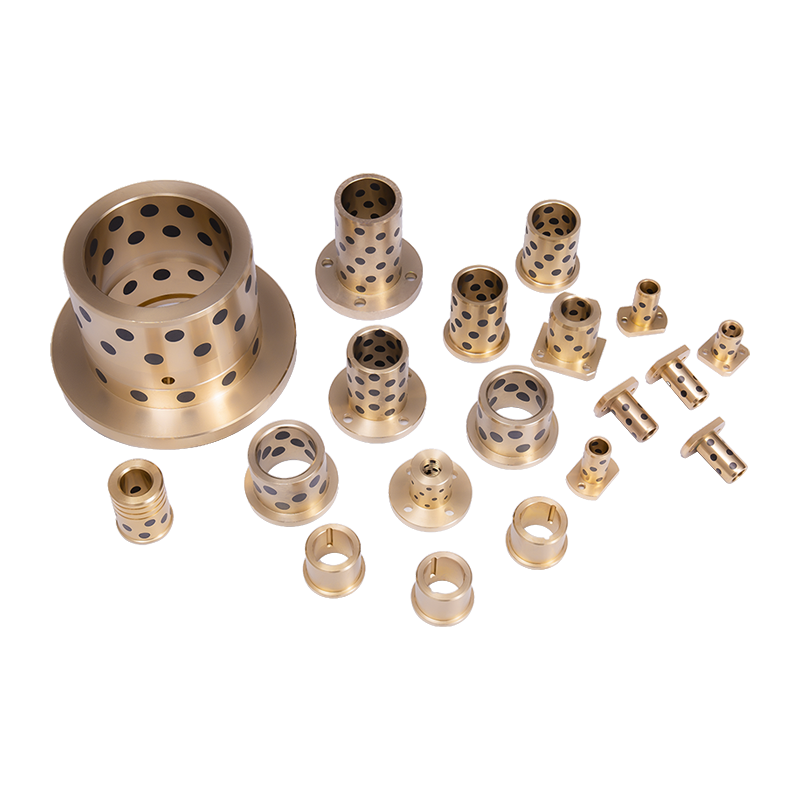
Copper bushings, plastic bearings, and steel bushings serve different mechanical purposes, and the correct choice depends on load capacity, friction requirements, operating environment, and maintenance conditions. Copper bushings are widely used for heavy-load and high-durability applications, plastic bearings are suitable for low-friction and corrosion-resistant environments, and steel bushings provide strong structural support in high-impact mechanical systems.
Selecting the correct bearing material affects equipment life, maintenance frequency, and operational stability. Industrial equipment such as conveyors, pumps, agricultural machinery, construction equipment, and automotive components often rely on bushings and bearings to support rotating shafts while reducing friction. Understanding how copper, plastic, and steel materials behave under load and environmental stress helps engineers choose the most appropriate solution for specific operating conditions.
Content
Key Differences Between Copper Bushings, Plastic Bearings, and Steel Bushings
Each type of bushing or bearing material provides different mechanical properties. These differences influence friction behavior, wear resistance, lubrication requirements, and allowable load capacity.
| Material Type | Typical Strength Characteristics | Common Applications |
|---|---|---|
| Copper Bushings | High wear resistance and good thermal conductivity | Heavy machinery, hydraulic equipment |
| Plastic Bearings | Low friction and corrosion resistance | Food processing equipment, chemical machinery |
| Steel Bushings | High strength and impact resistance | Construction equipment, automotive suspension |
Understanding these differences helps equipment designers balance durability, friction control, and operating costs in mechanical assemblies.
Performance Characteristics of Copper Bushings
Copper bushings are widely used in mechanical systems that require strong load support and reliable wear performance. Copper alloys such as bronze and brass provide a balance between hardness and friction reduction.
High Load Capacity
Copper-based bushings can support heavy radial loads in rotating equipment. Bronze bushings in industrial gear systems may handle pressures exceeding 50 MPa depending on lubrication conditions and alloy composition.
Thermal Conductivity
Copper alloys dissipate heat efficiently. This characteristic helps prevent overheating in rotating shaft systems where friction generates continuous heat during operation.
Typical Industrial Uses
- Hydraulic cylinder pivot joints
- Excavator arm bearings
- Large industrial gearboxes
- Marine propulsion systems
In many heavy-duty mechanical systems, copper bushings are selected because they can tolerate both friction and mechanical stress over long operating cycles.
Advantages of Plastic Bearings in Specialized Environments
Plastic bearings have gained popularity in industries where corrosion resistance and lubrication-free operation are important. Engineering polymers such as POM, PTFE, and nylon are commonly used for these components.
Low Friction Operation
Many plastic bearings contain self-lubricating additives that reduce friction. The coefficient of friction in some PTFE-based bearings can be as low as 0.04 to 0.1, significantly lower than many metal bushings.
Corrosion Resistance
Plastic bearings do not rust and are resistant to chemicals, making them suitable for humid or chemically aggressive environments such as water treatment plants or food production lines.
Common Equipment Applications
- Food packaging machinery
- Chemical processing equipment
- Medical device components
- Lightweight automation systems
Structural Strength of Steel Bushings
Steel bushings are designed for applications where high mechanical strength and impact resistance are required. They are commonly manufactured from carbon steel or alloy steel materials.
High Mechanical Strength
Steel bushings maintain structural stability under heavy mechanical forces. In automotive suspension systems, steel bushings help absorb loads generated by road impact and vehicle weight.
Wear Protection Through Surface Treatments
Surface treatments such as carburizing, nitriding, or hard chrome plating improve the wear resistance of steel bushings. These treatments create hardened surfaces that reduce friction damage during operation.
Industrial Use Cases
- Automotive chassis components
- Mining equipment joints
- Construction machinery linkages
- Heavy-duty mechanical presses
Practical Selection Considerations for Engineers
Choosing between copper bushings, plastic bearings, and steel bushings requires evaluating mechanical load, environmental exposure, and maintenance capabilities.
- Copper bushings are suitable for high-load rotating equipment requiring strong wear resistance.
- Plastic bearings are appropriate for corrosion-sensitive environments or lubrication-free systems.
- Steel bushings are effective in applications with high mechanical shock or structural loads.
By aligning bearing material with operating conditions, equipment designers can improve machine reliability, reduce maintenance downtime, and extend component lifespan.