English
 русский
 Español
 عربى
عربى
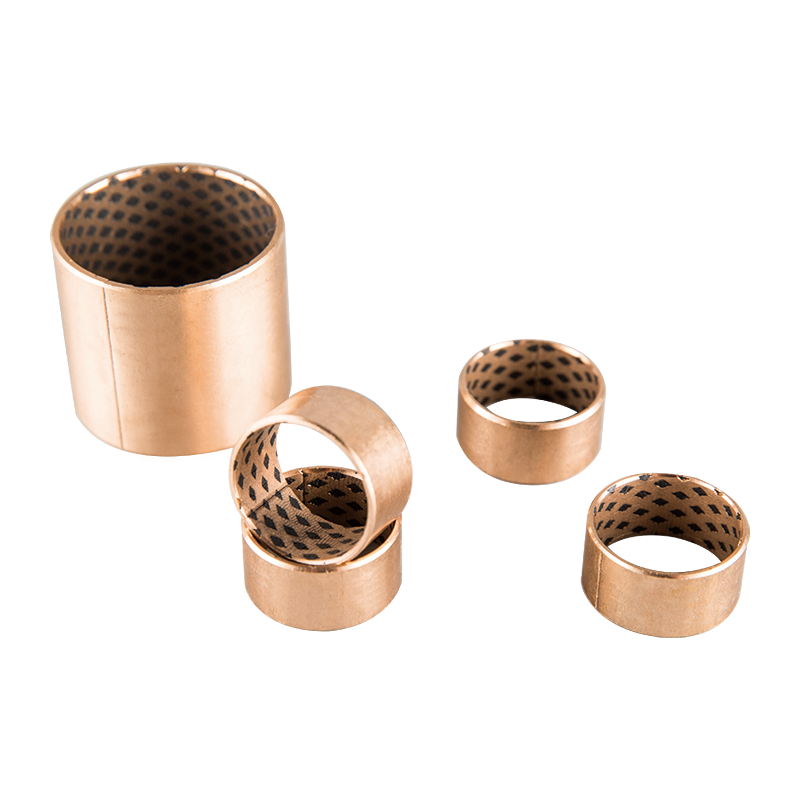
DX bushings are essential components in a wide range of industrial and mechanical systems, providing smooth rotational movement, reducing friction, and minimizing wear on shafts and housings. Selecting the right DX bushing requires careful consideration of multiple factors, including load capacity, rotational speed, material composition, and operating environment. Making informed choices ensures optimal performance, longer service life, and reduced maintenance costs for machinery and equipment.
Content
Understanding DX Bushing Load Capacity
The load applied to a DX bushing directly affects its performance and longevity. Bushings must be selected based on the maximum static and dynamic loads they will encounter in operation. Static loads refer to the weight or pressure applied when the machinery is stationary, while dynamic loads involve forces generated during rotation or movement. Choosing a bushing with insufficient load capacity can lead to deformation, accelerated wear, and premature failure. Conversely, selecting a bushing with excessive load capacity may increase costs without significant performance benefits.
Factors Affecting Load Selection
- Type of load: radial, axial, or combined loads impact bushing performance differently.
- Frequency of load cycles, as repeated stress may reduce bushing life.
- Shock or impact loads, which require bushings with higher strength or cushioning features.
- Environmental factors such as temperature, moisture, or chemical exposure affecting material selection under load.
Speed Considerations for DX Bushings
Rotational speed is another critical factor when selecting DX bushings. High-speed applications generate increased friction and heat, which can accelerate wear and reduce service life. It is essential to select bushings with appropriate lubrication methods and low-friction materials for high-speed operations. For slower-moving applications, bushings may focus more on load-bearing capacity rather than minimizing friction. Understanding the interplay between speed and load helps optimize bushing performance and prevents unexpected failures.
High-Speed Application Guidelines
- Consider self-lubricating bushings or those with oil grooves to reduce heat and friction.
- Check the maximum permissible RPM (revolutions per minute) specified by the manufacturer.
- Use materials with high thermal stability to avoid deformation at elevated temperatures.
- Ensure proper installation alignment to prevent uneven wear during high-speed rotation.
Material Selection for DX Bushings
The material of DX bushings significantly influences their load capacity, wear resistance, friction coefficient, and environmental durability. Common materials include bronze, stainless steel, composite polymers, and specialized alloys. Each material offers unique advantages depending on the operating conditions. For example, bronze bushings provide excellent load-bearing capacity and durability in heavy machinery, while polymer-based bushings offer lower friction and are suitable for high-speed, low-load applications. Stainless steel bushings are ideal for corrosive or high-temperature environments.
Material Comparison Table
| Material | Load Capacity | Friction Coefficient | Temperature Range | Corrosion Resistance | Typical Applications |
| Bronze | High | Moderate | -40°C to 250°C | Moderate | Heavy machinery, automotive, industrial equipment |
| Stainless Steel | High | Moderate | -50°C to 400°C | High | Corrosive environments, food processing, chemical equipment |
| Polymer/Composite | Low to Moderate | Low | -20°C to 120°C | Moderate | High-speed equipment, low-load applications, electronics |
Additional Considerations for DX Bushing Selection
Besides load, speed, and material, several other factors influence DX bushing performance. Lubrication type, whether dry, oil-impregnated, or grease-lubricated, impacts friction, wear, and maintenance intervals. Environmental conditions such as moisture, dust, or chemical exposure affect material selection and protective coatings. Shaft surface finish and alignment also play a critical role in minimizing uneven wear and maximizing service life. Lastly, installation method and tolerance limits should be verified to ensure optimal performance under operational stresses.
Conclusion
Selecting the right DX bushing requires a comprehensive evaluation of load, speed, material, and environmental considerations. By understanding the interaction of these factors, engineers and maintenance professionals can optimize bushing performance, reduce wear, and extend service life. Proper material selection, appropriate lubrication, and attention to installation details ensure that DX bushings provide reliable, long-term operation in a wide range of industrial, automotive, and mechanical systems. Using comparison tables and detailed guidelines simplifies the selection process and enhances operational efficiency across applications.