English
 русский
 Español
 عربى
عربى
Content
Understanding Flanged Bearings
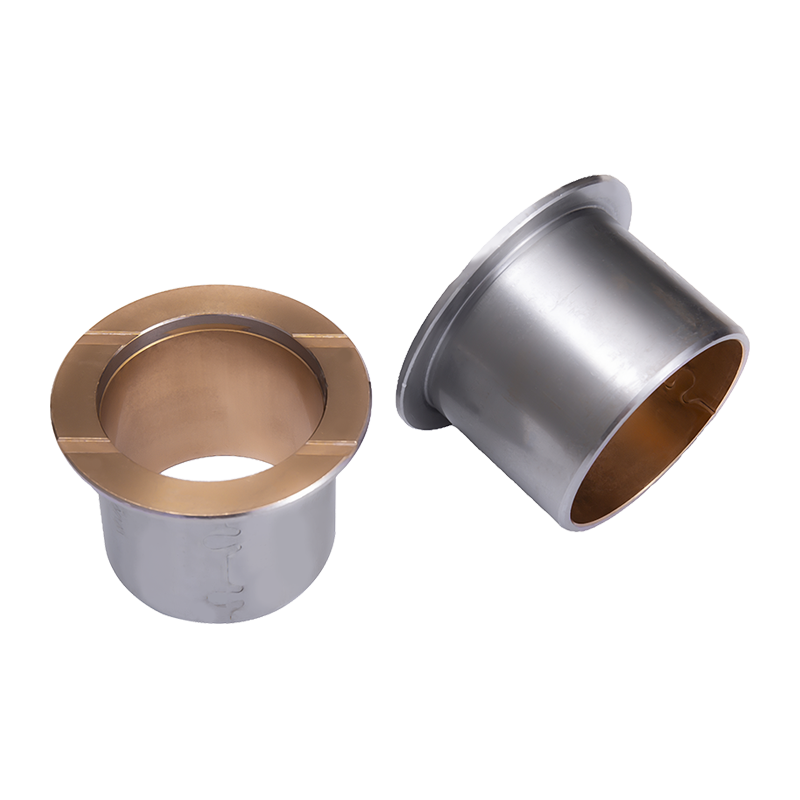
Flanged bearings are specialized mechanical components designed to support shafts and reduce friction between moving parts while providing added stability through an integrated flange. The flange allows for easy mounting and alignment, ensuring that the bearing maintains proper positioning even under heavy loads or high-speed rotation. By combining robust construction with precise engineering, flanged bearings improve the efficiency and longevity of mechanical systems across a wide range of industrial applications.
How Flanged Bearings Reduce Friction
Friction is a primary source of energy loss in machinery, causing heat buildup, wear, and increased operational costs. Flanged bearings minimize friction through their internal rolling elements, which may include balls, rollers, or needle-type components. These elements facilitate smooth rotation by converting sliding friction into rolling friction, which is significantly lower. The precise alignment provided by the flange ensures that the load is evenly distributed across the bearing, preventing uneven wear and reducing localized friction points.
Ball Bearings vs Roller Bearings
Flanged bearings may utilize ball or roller elements depending on the application. Ball bearings excel in reducing rotational friction for moderate loads and high-speed operations. Roller bearings, on the other hand, handle heavier loads with lower rotational speed, offering enhanced durability under stress. The choice of bearing type impacts the friction reduction and efficiency of the overall system.
Lubrication and Friction Management
Proper lubrication is essential for minimizing friction in flanged bearings. Lubricants form a thin film between rolling elements and the raceway, reducing metal-to-metal contact and preventing wear. Regular maintenance and appropriate lubricant selection, such as grease or oil with suitable viscosity, ensure that friction remains low and the bearing operates efficiently over extended periods.
Enhancing Mechanical Efficiency
By reducing friction, flanged bearings improve the mechanical efficiency of machines. Less energy is wasted overcoming resistance, meaning motors and other driving components require lower power to achieve the desired output. This translates to energy savings, decreased heat generation, and prolonged equipment life. Additionally, efficient bearing operation reduces downtime and maintenance frequency, further contributing to productivity and cost savings.
Load Distribution and Stability
The integrated flange provides added stability by distributing axial and radial loads evenly. This prevents misalignment and excessive wear, which can increase friction and reduce efficiency. In applications where shafts experience lateral forces or vibrations, the flanged design keeps the bearing securely in place, maintaining smooth rotation and consistent performance.
Temperature Control and Energy Efficiency
Lower friction also means less heat generation during operation. Excessive heat can lead to thermal expansion, lubricant breakdown, and premature bearing failure. Flanged bearings, by maintaining minimal friction, help control operating temperatures, ensuring that machinery runs efficiently without energy losses associated with overheating.
Applications Where Flanged Bearings Improve Efficiency
- Conveyor systems where continuous rotation and high load support are required.
- Industrial motors and pumps that benefit from reduced friction and energy consumption.
- Automotive applications such as drive shafts, gearboxes, and wheel hubs.
- Robotic arms and automation systems requiring precise, smooth movement.
- Agricultural and construction machinery subjected to heavy loads and vibrations.
Comparative Performance of Flanged Bearings
| Property | Flanged Bearing | Standard Bearing |
| Friction Reduction | High, precise alignment and rolling elements | Moderate, alignment may vary |
| Load Handling | Excellent, flange distributes radial and axial loads | Good, limited axial load capacity |
| Maintenance Frequency | Lower, due to better lubrication retention | Higher, lubrication may degrade faster |
| Energy Efficiency | High, reduces motor load and heat generation | Moderate, higher energy consumption |
Conclusion
Flanged bearings are essential components for reducing friction and enhancing the efficiency of mechanical systems. Their precise alignment, rolling elements, and flange design contribute to smoother operation, lower energy consumption, and longer equipment life. By selecting the right flanged bearing and maintaining proper lubrication, industries can achieve optimal performance and cost-effective operation across a wide range of applications.