English
 русский
 Español
 عربى
عربى
Content
Material Composition and Self-Lubricating Properties
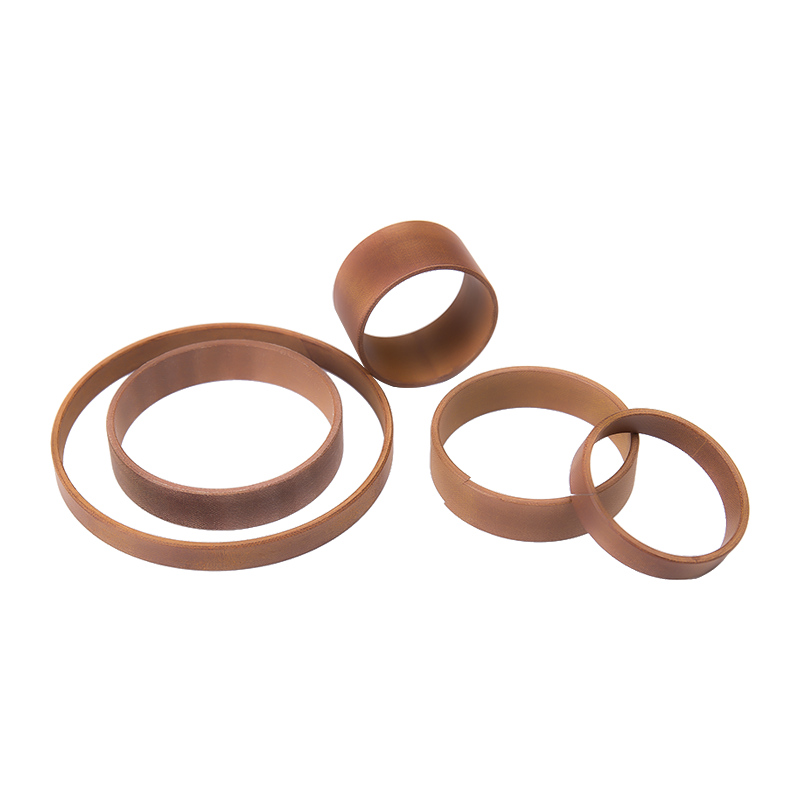
The HZ-EP Engineering plastic bearing represents a significant advancement in motion control component design, leveraging advanced thermoplastic formulations to deliver reliable performance without external lubrication systems. These self-lubricating components are manufactured through precision injection molding, a process that enables the integration of complex internal geometries, embedded lubricant reservoirs, and customized mounting features within a single production cycle. The base polymer matrix typically incorporates reinforced fillers such as glass fiber, carbon fiber, or polytetrafluoroethylene particles that migrate to the bearing surface during operation, establishing a low-friction transfer film between the rotating shaft and stationary housing. This molecular-level lubrication mechanism eliminates the need for grease fittings, oil baths, or periodic re-lubrication schedules, reducing maintenance complexity and preventing contamination risks in sensitive environments.
Injection molding technology provides exceptional design flexibility for the HZ-EP Engineering plastic bearing, allowing engineers to optimize wall thickness, rib placement, and interference fit tolerances based on specific load profiles and thermal expansion requirements. Unlike machined metal alternatives, thermoplastic bearings can incorporate integrated snap-fit features, alignment guides, and vibration-dampening structures directly into the molded component, reducing part count and assembly time. The process also ensures consistent material density and dimensional accuracy across high-volume production runs, with typical tolerances maintained within plus or minus zero point one millimeters for critical bearing diameters. This manufacturing precision supports reliable press-fit installation and predictable performance degradation curves throughout the component's operational lifecycle.
Wear Resistance and Friction Management
Operational durability in rotating applications depends heavily on the bearing's ability to maintain low friction coefficients while resisting abrasive wear under continuous load. The HZ-EP Engineering plastic bearing achieves this balance through a multi-phase polymer architecture that combines a tough thermoplastic backbone with solid lubricant additives and reinforcing agents. During initial run-in periods, microscopic lubricant particles embed into the shaft surface, creating a protective boundary layer that minimizes metal-to-plastic contact and reduces adhesive wear mechanisms. Subsequent operation relies on this established transfer film to maintain stable friction values typically ranging between zero point zero eight and zero point two five, depending on load intensity, rotational speed, and environmental conditions.
Laboratory testing confirms that these bearings maintain performance consistency across both dry-running and intermittently lubricated scenarios, providing design engineers with flexibility in system maintenance strategies. The material exhibits exceptional resistance to stick-slip phenomena at low rotational speeds, a common failure mode in metal bearings that can cause positioning errors in precision machinery. Additionally, the thermoplastic composition demonstrates superior damping characteristics compared to metallic alternatives, absorbing vibration energy and reducing noise transmission in high-speed applications. This acoustic benefit proves particularly valuable in medical devices, office equipment, and consumer appliances where operational quietness directly impacts user experience and product positioning.
Environmental Resilience and Corrosion Protection
Humid, saline, and chemically aggressive environments present significant challenges for traditional metal bearing systems, often requiring expensive stainless steel alloys, protective coatings, or frequent replacement schedules. The HZ-EP Engineering plastic bearing inherently resists corrosion through its non-metallic composition, eliminating oxidation pathways and galvanic reaction risks when installed alongside dissimilar materials. The polymer matrix remains dimensionally stable when exposed to moisture, salt spray, or mild industrial solvents, preventing the swelling, pitting, or surface degradation that compromises metal bearing performance. This chemical inertness extends service life in applications such as food processing equipment, marine hardware, wastewater treatment systems, and outdoor agricultural machinery where environmental exposure is unavoidable.
Temperature stability represents another critical factor in bearing selection, particularly for applications experiencing thermal cycling or elevated operating conditions. The thermoplastic formulations used in HZ-EP Engineering plastic bearing maintain mechanical integrity across a typical operational range of minus forty degrees Celsius to plus one hundred twenty degrees Celsius, with specialized grades available for extreme temperature requirements. The material's low thermal conductivity reduces heat transfer between rotating shafts and housing components, minimizing thermal expansion mismatches that can cause binding or premature wear. Engineers can further optimize performance by selecting reinforced grades that offer enhanced creep resistance and load-bearing capacity at elevated temperatures, ensuring reliable operation in demanding industrial environments.
Lightweight Design and Assembly Efficiency
Weight reduction initiatives across automotive, aerospace, and portable equipment sectors drive demand for components that maintain performance while minimizing mass. The HZ-EP Engineering plastic bearing typically weighs sixty to eighty percent less than comparable steel or bronze alternatives, contributing to overall system weight savings without sacrificing load capacity or rotational precision. This mass reduction translates directly into lower inertia for rotating assemblies, enabling faster acceleration, reduced motor sizing requirements, and improved energy efficiency in dynamic applications. The compact, one-piece design eliminates the need for separate retainers, seals, or lubrication hardware, further simplifying bill of materials and inventory management for manufacturers.
Assembly processes benefit significantly from the bearing's integrated design features and forgiving installation tolerances. The thermoplastic material accommodates slight misalignments during press-fit installation without cracking or deforming, reducing scrap rates and rework requirements on production lines. Snap-fit mounting options, self-aligning spherical designs, and pre-lubricated surfaces eliminate secondary operations such as greasing, sealing, or adjustment, accelerating final assembly throughput. These efficiency gains compound across high-volume manufacturing scenarios, where seconds saved per unit translate into substantial labor cost reductions and increased production capacity.
| Performance Metric | HZ-EP Engineering Plastic Bearing | Traditional Metal Bearing |
| Weight Reduction | 60-80% Lighter | Baseline |
| Corrosion Resistance | Excellent (Non-Metallic) | Requires Coatings/Alloys |
| Self-Lubricating | Yes (Integrated) | No (External Lubrication) |
| Noise Reduction | High Damping | Moderate |
| Cost-Effectiveness | High (Low Maintenance) | Variable |
Cost-Effective Implementation Across Industries
The total cost of ownership for motion control components extends far beyond initial purchase price, encompassing installation labor, maintenance schedules, downtime losses, and replacement frequency. The HZ-EP Engineering plastic bearing delivers compelling cost-effectiveness through its combination of low material costs, simplified assembly processes, and extended service intervals. Eliminating external lubrication systems reduces fluid inventory requirements, prevents contamination-related failures, and removes the labor costs associated with periodic greasing operations. The corrosion-resistant properties minimize premature replacements in harsh environments, while the lightweight design contributes to energy savings in motor-driven applications through reduced rotational inertia and friction losses.
Industry adoption continues to expand as engineers recognize the versatility of these bearings across diverse applications. Automotive manufacturers integrate them into window regulators, seat adjustment mechanisms, and pedal assemblies where quiet operation and maintenance-free performance enhance customer satisfaction. Industrial machinery designers specify HZ-EP Engineering plastic bearing for conveyor systems, packaging equipment, and material handling applications where exposure to dust, moisture, or cleaning chemicals would compromise metal alternatives. Medical device developers value the material's biocompatibility, cleanability, and non-magnetic properties for imaging equipment, surgical instruments, and diagnostic platforms. This cross-sector applicability demonstrates how thoughtful material selection can address multiple engineering challenges simultaneously while supporting cost reduction initiatives.
- Evaluate load profiles, rotational speeds, and environmental exposures to select the optimal HZ-EP Engineering plastic bearing grade for your application.
- Leverage injection molding design guidelines to incorporate mounting features, alignment aids, and lubrication reservoirs directly into the bearing geometry.
- Implement press-fit installation procedures with controlled interference tolerances to ensure secure mounting without inducing excessive hoop stress.
- Establish routine inspection protocols focused on wear patterns, rotational smoothness, and housing integrity to maximize service life and prevent unexpected failures.
- Coordinate with material suppliers to access technical data sheets, chemical resistance charts, and application engineering support for complex deployment scenarios.
Strategic integration of the HZ-EP Engineering plastic bearing into product designs enables manufacturers to achieve performance targets while controlling lifecycle costs. By capitalizing on the material's self-lubricating properties, corrosion resistance, and lightweight construction, engineering teams can simplify assemblies, reduce maintenance burdens, and enhance end-user satisfaction across automotive, industrial, medical, and consumer applications. The cost-effective nature of these components, combined with their versatile performance characteristics, positions them as a foundational solution for modern motion control challenges where reliability, efficiency, and value engineering converge.