English
 русский
 Español
 عربى
عربى
A bimetal composite bearing like the HZ series delivers its impressive durability only when matched with the right oil-based lubrication. These bearings must work in an oil-lubricated environment, and their design is explicitly tailored to three distinct lubrication conditions — grease, oil cup, and oil immersion — each precisely matched to a specific speed range. Choosing the correct method for the application, from low-speed brake shoes to high-speed engine gears, prevents premature wear and dramatically extends service life.
Content
The Material Foundation of HZ Bimetal Composite Bearings
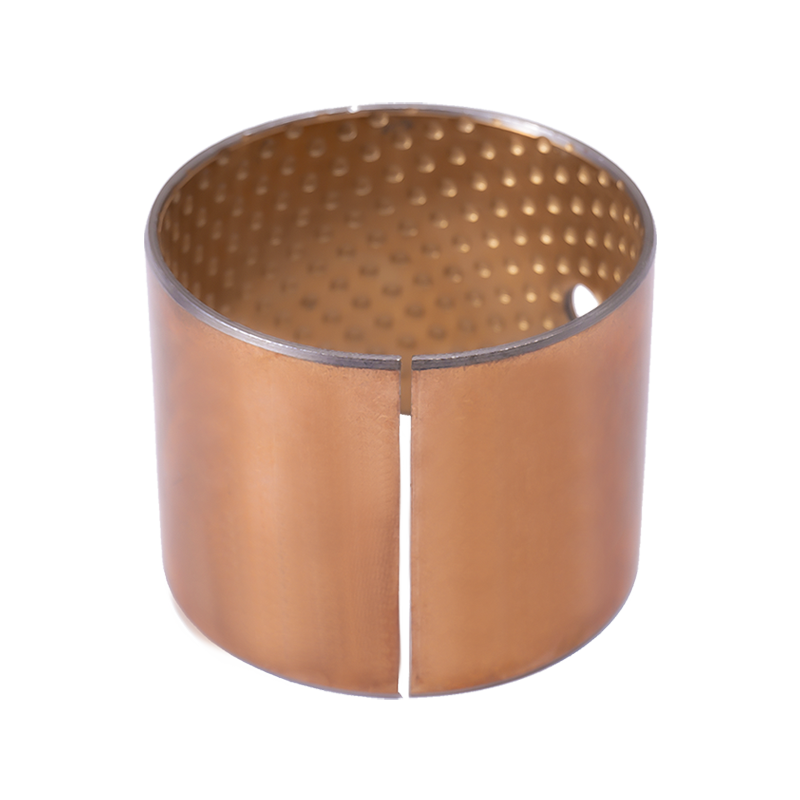
The HZ bimetal bearing is built around a steel backing that provides structural strength, combined with a sintered layer of bearing alloy — typically an aluminum-tin or copper-lead composition. This bimetal architecture gives the bearing a load capacity comparable to solid bronze while being lighter and far more cost-effective. The alloy layer is engineered with a specific porosity and overlay that retains oil, but it is not self-lubricating; it requires a consistent external oil supply to form the boundary film that prevents metal-to-metal contact.
Why Oil Lubrication Is Non-Negotiable
Dry running a bimetal composite bearing will quickly cause the alloy layer to smear, seize, and fail. The oil serves three vital purposes: it separates the shaft from the bearing surface, removes frictional heat, and flushes away wear debris. Depending on the operating speed and load, the oil delivery method is carefully designed to maintain this protective film. The three lubrication designs — grease, oil cup, and oil immersion — reflect how HZ bimetal bearings are optimized for different motion environments.
Three Lubrication Conditions for Every Speed
Engineers can select the most appropriate lubrication design from the three categories below, directly based on the operating speed and accessibility of the bearing location. This table summarizes the match.
| Lubrication Method | Speed Classification | Typical Application Examples |
|---|---|---|
| Grease Lubrication | Low-speed | Automobile balance bridges, spring steel plates, brake shoes, steering knuckles, punch guides, bulldozer driving wheels |
| Oil Cup Lubrication | Medium-speed | Connecting rods, punching and shearing machine tool shafts, conveyor wheels |
| Oil Immersion Lubrication | High-speed | Gear boxes, oil pumps, oil cylinders, engines, clutches |
Grease Lubrication for Low-Speed, Heavy-Load Motion
In oscillating or very slow-rotating applications like automobile suspension parts and earthmoving equipment idler wheels, a high-quality grease is packed into the bearing during assembly. Because motion is infrequent, grease stays in place and provides a durable film for months. Maintenance is straightforward: a single recharge with a grease gun every 500 to 1000 operating hours is usually sufficient, keeping the bimetal bearing protected against corrosion and wear without complex plumbing.
Oil Cup Lubrication for Medium-Speed Continuous Rotation
Where shafts rotate steadily at moderate speeds — such as conveyor drive wheels or machine tool shafts — an oil cup or drip-feed lubricator supplies a controlled flow of liquid oil directly to the bearing interface. The oil is drawn into the bimetal surface by capillary action, and the constant renewal maintains a clean, cool bearing environment. Typical refill intervals range from 8 to 40 hours of operation, depending on reservoir size, and the design is ideal for locations where an oil bath is impractical.
Oil Immersion Lubrication for High-Speed, Pressurized Systems
In gearboxes, engine crankshafts, and hydraulic pump shafts, the bimetal bearing is fully immersed in a circulating oil system. The oil is pressurized and often cooled, carrying away the intense heat generated at high RPM. This is the most robust lubrication regime, enabling HZ bimetal bearings to handle sliding speeds exceeding 3 m/s while maintaining a hydrodynamic film. Regular oil changes and filtration are the only service required; the bearing itself can last the full life of the assembly when the oil is properly maintained.
Selecting the Right Lubrication Design for Your Application
The choice among grease, oil cup, and oil immersion should be dictated by the actual shaft speed and how often the machine is accessed for maintenance. A bulldozer’s track wheel, moving slowly under extreme dirt, benefits from sealed-in grease; a punch press rod, cycling hundreds of times per hour, needs an oil cup’s steady feed; an automotive clutch release bearing demands the full immersion and cooling of an engine’s oil circuit. By matching the lubrication condition to the speed classification exactly, the bimetal composite bearing achieves its full potential: low friction, minimal wear, and a service life that can outlast the machine itself.
When designing a pivoting or rotating joint with an HZ bimetal bearing, always start with the lubrication environment. With grease, oil cup, or oil immersion correctly specified, these bearings deliver reliable, maintenance-friendly performance across the entire spectrum of industrial and automotive motion.